


Many struggle to maintain consistent energy levels while avoiding health problems from bad dietary habits. Small, intentional dietary adjustments can greatly improve your overall well-being, making staying active, engaged, and healthy easier. The following advice outlines tried-and-true methods for eating healthily and living a healthy lifestyle.

Base Meals on High-Fiber Carbohydrates
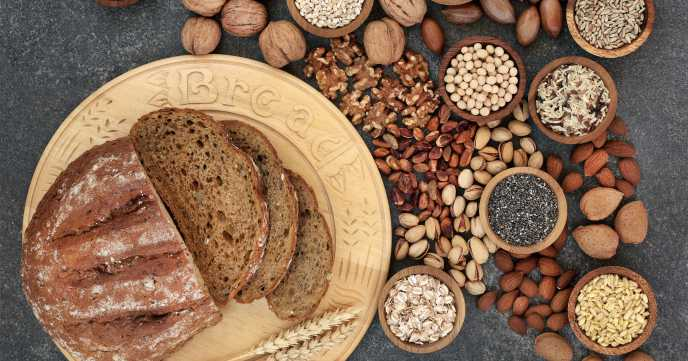
Building your meals around high-fiber carbohydrates is an excellent beginning point for balanced nutrition. Whole-grain bread, brown rice, and pasta are healthy staples. They provide you energy and make you feel fuller for longer, which reduces the likelihood of overeating. Incorporating these starchy carbohydrates into your meals provides your body with steady nourishment.
Additionally, choose whole-grain versions over refined options. These are high in fiber, which aids digestion and promotes gut health. Be wary of extra fats, such as butter or creamy sauces, which can raise calorie counts.
Incorporate Plenty of Fruits and Vegetables
Including a variety of fruits and veggies in your meals is a simple yet efficient approach to eating healthier. Aim for a minimum of five servings every day, whether fresh, frozen, or canned. These provide important vitamins, minerals, and fiber that promote general well-being.
You can incorporate fruits and vegetables in novel ways, such as topping porridge with bananas or adding spinach to an omelet. Remember that juices and smoothies count as servings, but keep them short to avoid excessive sugar consumption.

Add More Fish to Your Diet
Fish is a great source of lean protein and important nutrients, including omega-3 fatty acids. Consuming two servings each week, including one of oily fish such as salmon or mackerel, can help with heart health. These types have beneficial fats that have been shown to lower inflammation and boost cognitive function.
If fresh fish is not available, frozen or canned products are acceptable alternatives. Watch out for extra salt in smoked or canned fish, and choose low-sodium versions whenever possible.

Limit Saturated Fat and Added Sugars
Keeping saturated fats and added sugars under control is critical for living a healthy lifestyle. To promote heart health, eat unsaturated fats such as olive oil, avocados, and almonds. Lean meats and low-fat dairy products can also help minimize your saturated fat intake.
Reducing sugary snacks and drinks can help you avoid weight gain and dental problems. Check food labels to find high-sugar goods and choose alternatives such as fruit or unsweetened beverages. Making these little modifications can have a huge long-term influence on your health.

Monitor Your Salt Intake
Excess salt consumption raises the chance of developing high blood pressure, which can lead to major health problems such as heart disease or stroke. Most of the salt we consume comes from processed meals such as soups, sauces, and bread. To lower your intake, read food labels and choose low-sodium options.
Flavoring dishes with herbs and spices instead of salt can improve flavor without jeopardizing health. Adults should consume no more than 6 grams per day, which is roughly equivalent to one teaspoon.

Stay Hydrated
Proper hydration is required to maintain energy and support body functioning. Drinking six to eight glasses of water every day helps keep you hydrated. If plain water becomes boring, unsweetened drinks or diluted fruit juices can provide variety without adding calories.
Avoid sugary beverages, which can lead to weight gain and dental problems. To compensate for water loss, increase your fluid intake during hot weather or while exercising.

Prioritize Breakfast
A nutritious breakfast sets the tone for making healthy choices throughout the day. Whole-grain cereals with low-fat milk and fresh fruit offer an excellent source of fiber, protein, and vitamins.
Skipping breakfast frequently results in overeating later. A nutritious morning meal helps to balance blood sugar levels and maintain energy, resulting in improved focus and productivity.

Maintain an Active Lifestyle
Regular physical activity complements healthy eating by boosting energy levels and promoting weight management. Whether walking, swimming, or strength training, exercise helps prevent chronic diseases and enhances overall well-being. Balance activity with calorie intake to ensure you meet your nutritional and energy needs.
Staying active also improves mental health, reduces stress, and supports better sleep patterns. Small lifestyle changes, like taking the stairs or cycling to work, make a difference.